

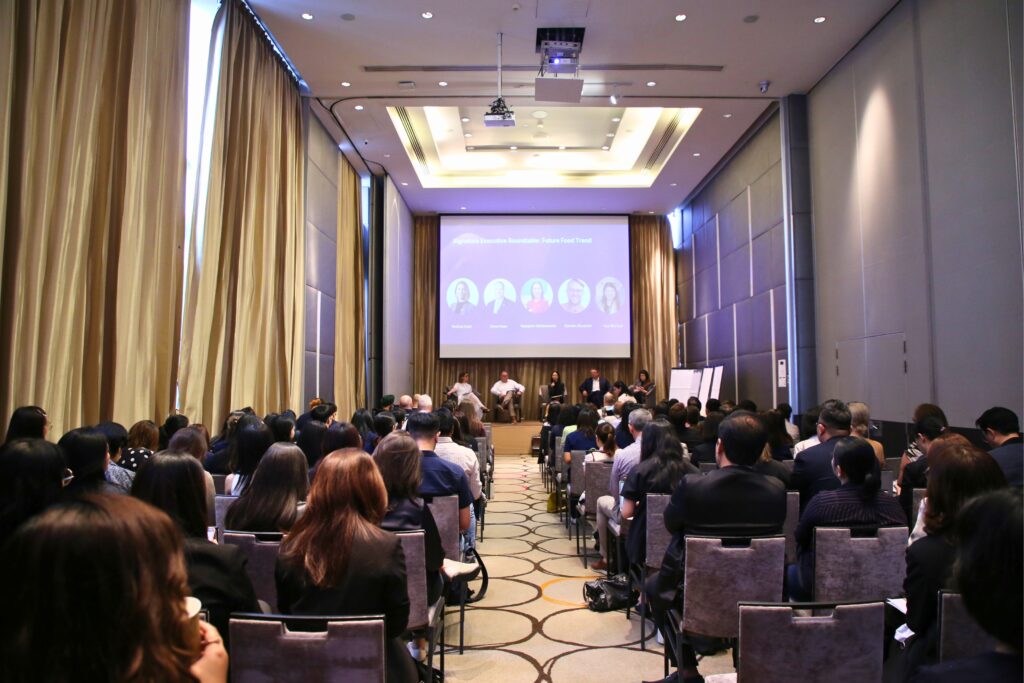
เมื่อวันที่ 16 มิถุนายน 2569 ทีมงานนิตยสาร Food Focus Thailand ได้เข้าร่วมงานสัมมนา NSF Asia-Pacific Technical Conference ณ Four Points by Sheraton (Ploenjit) Bangkok จัดโดย NSF ซึ่งองค์กรอิสระระดับโลกผู้เชี่ยวชาญด้านการกำหนดมาตรฐานและตรวจรับรองความปลอดภัยในอาหารและน้ำมานานกว่า 80 ปี โดยงานสัมมนาในครั้งนี้มีวัตถุประสงค์เพื่ออัปเดตแนวโน้มตลาดสากลและนวัตกรรมทางเทคนิคสำหรับอุตสาหกรรมในภูมิภาคเอเชียแปซิฟิก
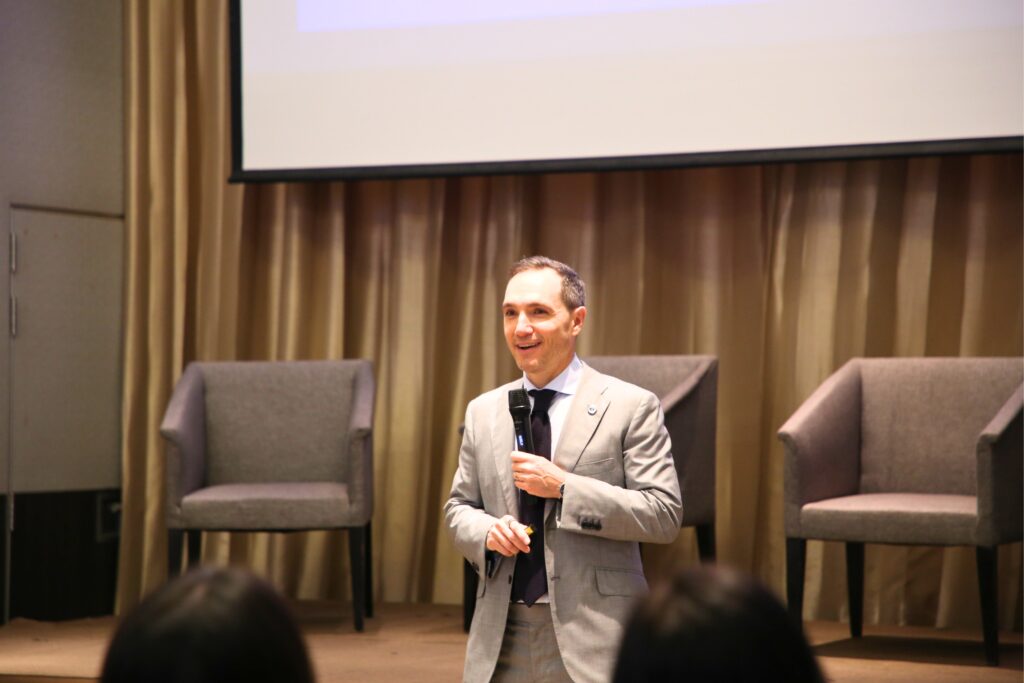
ไฮไลต์ที่น่าสนใจอย่างยิ่งของงานคือการเสวนาพิเศษในหัวข้อ Signature Executive Roundtable: Future Food Trend ซึ่งได้สะท้อนให้เห็นถึงทิศทางสำคัญของอุตสาหกรรมอาหารในอนาคต โดยเฉพาะประเด็นด้านความปลอดภัยอาหารที่กำลังเผชิญความท้าทายและการเปลี่ยนแปลงอย่างรวดเร็วจากปัจจัยแวดล้อม เทคโนโลยี และความคาดหวังของผู้บริโภค
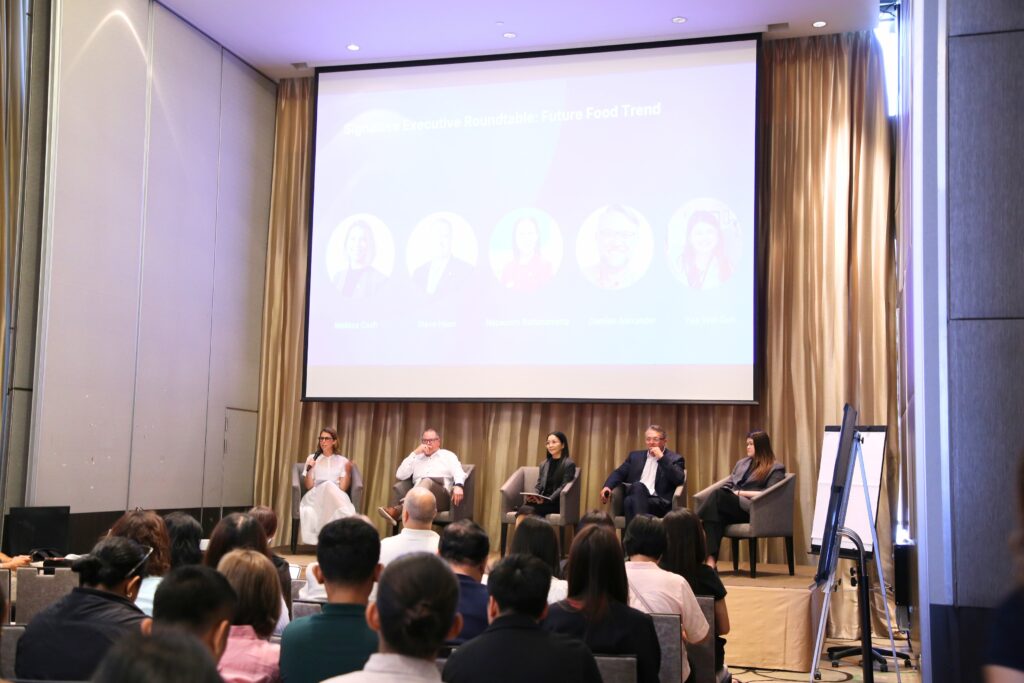
โดยหนึ่งในประเด็นสำคัญคือความยืดหยุ่นต่อสภาพภูมิอากาศ (Climate Resilience) ปัจจุบันปัญหาภูมิอากาศแปรปรวน เช่น ภัยแล้งหรือน้ำท่วม ไม่ได้เป็นเพียงเรื่องของสิ่งแวดล้อมอีกต่อไป แต่ได้กลายเป็นประเด็นความปลอดภัยอาหารโดยตรง ผู้ประกอบการจึงจำเป็นต้องยกระดับการบริหารความเสี่ยงตั้งแต่ต้นน้ำเพื่อรับประกันคุณภาพวัตถุดิบอย่างเข้มงวด ขณะเดียวกัน วัฒนธรรมความปลอดภัยอาหารที่เริ่มจาก “ผู้นำ” ความแข็งแกร่งของระบบไม่ได้อยู่ที่มาตรฐานเพียงอย่างเดียว แต่อยู่ที่การสร้างค่านิยมร่วมกันทั้งองค์กร โดยเปลี่ยนจากการทำงานบนฐานความกลัวไปสู่การให้รางวัลแก่พฤติกรรมเชิงบวก เพื่อให้พนักงานกล้าสื่อสารและหยุดสายการผลิตทันทีเมื่อพบความผิดปกติ นอกจากนี้ ยังมีการพูดถึงความสำคัญของการประยุกต์ใช้มาตรฐานสากลให้สอดคล้องกับพื้นที่ โดยเฉพาะในภูมิภาคเอเชียแปซิฟิก ซึ่งมีความหลากหลายทั้งด้านวัฒนธรรมการบริโภค รูปแบบการผลิต และนวัตกรรมอาหาร โดยมาตรฐานระดับโลก เช่น GFSI ควรมีความยืดหยุ่นและสามารถปรับใช้ได้ตามบริบทของแต่ละประเทศ รวมถึงควรมีแนวทางหรือ “ขั้นบันได” ที่ช่วยให้เกษตรกรรายย่อยและผู้ประกอบการขนาดเล็กสามารถเข้าถึงมาตรฐานความปลอดภัยอาหารได้ง่ายยิ่งขึ้น ควบคู่ไปกับการนำเทคโนโลยีปัญญาประดิษฐ์ (AI) และการวิเคราะห์ข้อมูล มาใช้เพื่อพลิกโฉมการตรวจประเมินจากการตั้งรับตามรอบเวลา ไปสู่การประเมินตามความเสี่ยงที่สามารถคาดการณ์และตรวจจับปัญหาได้ล่วงหน้า
ท้ายที่สุด เป้าหมายสำคัญของอุตสาหกรรมอาหารไม่ใช่เพียงการรักษามาตรฐานความปลอดภัยเท่านั้น แต่คือการร่วมกันสร้าง “ระบบนิเวศแห่งความเชื่อมั่น” (Ecosystem of Trust) ที่ทุกภาคส่วนในห่วงโซ่อาหารสามารถแลกเปลี่ยนข้อมูล ความรู้ และประสบการณ์ร่วมกัน เพื่อยกระดับความปลอดภัยอาหารอย่างต่อเนื่อง และส่งมอบอาหารที่ปลอดภัย มีคุณภาพ และยั่งยืนแก่ผู้บริโภคทั่วโลก
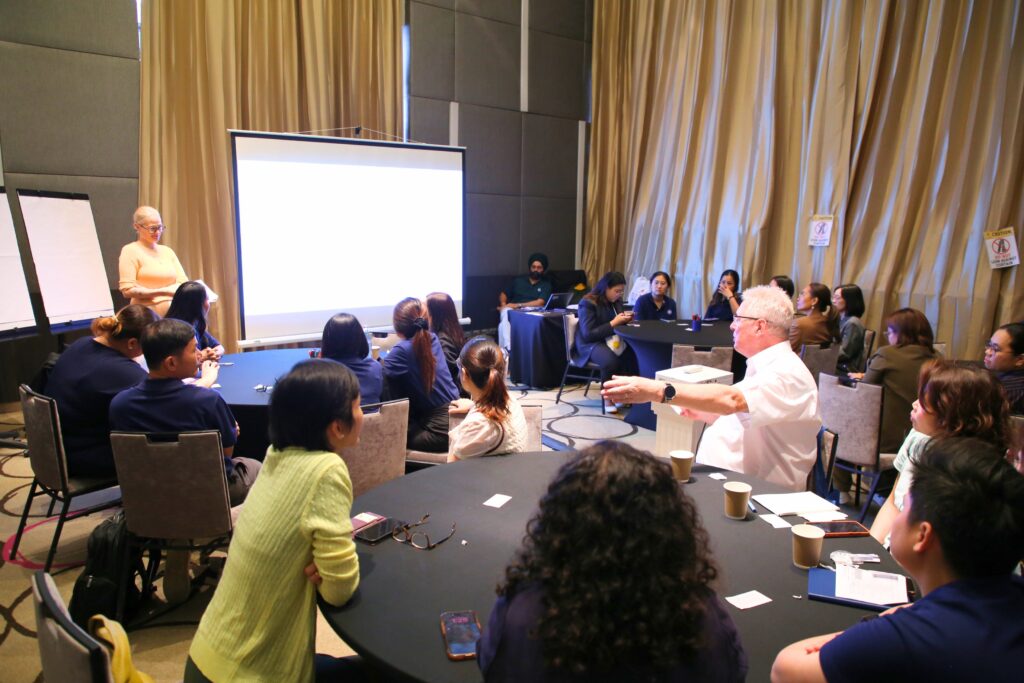
งานสัมมนาในครั้งนี้จึงสะท้อนให้เห็นว่า ความร่วมมือระหว่างผู้ผลิต องค์กรตรวจรับรอง และเทคโนโลยีสมัยใหม่ คือกุญแจสำคัญในการสร้าง “ความเชื่อมั่น” และความยั่งยืนให้กับระบบอาหารในอนาคตอย่างแท้จริง
สำหรับผู้ประกอบการหรือผู้ที่สนใจข้อมูลเพิ่มเติมเกี่ยวกับมาตรฐาน การตรวจรับรอง และบริการด้านความปลอดภัยอาหารระดับสากล สามารถศึกษาข้อมูลเพิ่มเติมได้ที่เว็บไซต์ทางการของ NSF (www.nsf.org)
On 16 June 2026, the Food Focus Thailand team attended the NSF Asia-Pacific Technical Conference at Four Points by Sheraton (Ploenjit) Bangkok. Organized by NSF, a global independent organization with over 80 years of expertise in food and water safety standards and certification, the conference aimed to provide updates on global market trends and technical innovations for the Asia-Pacific food industry.
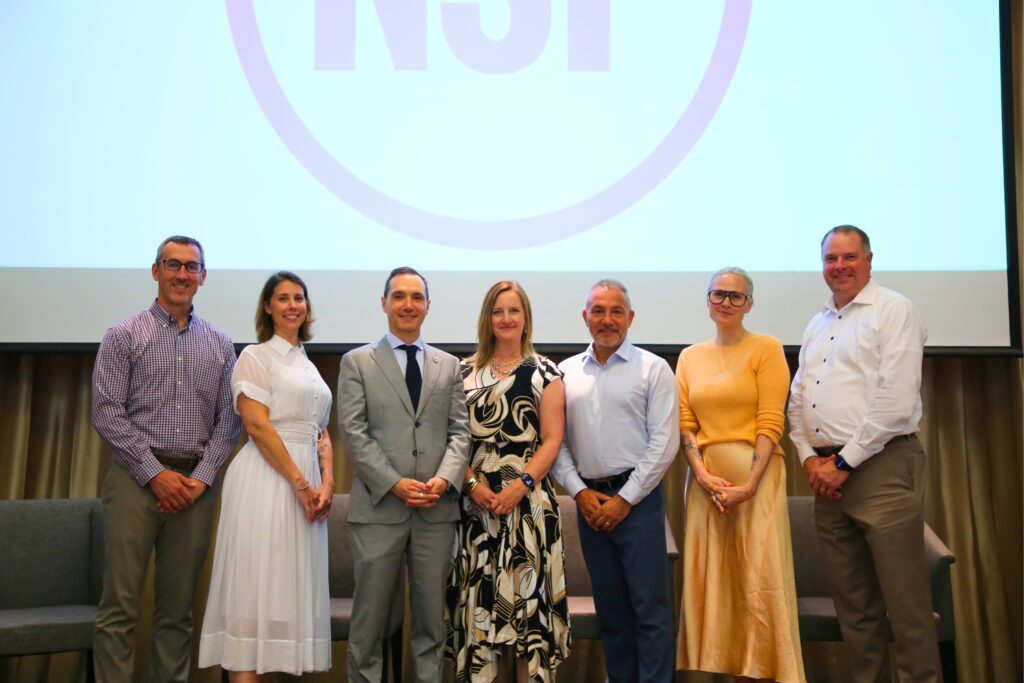
A key highlight of the event was the Signature Executive Roundtable: Future Food Trend, which explored the future direction of the food industry, particularly in the area of food safety amid rapid changes driven by environmental factors, technological advancements, and evolving consumer expectations.
One of the major topics discussed was Climate Resilience. Climate-related events such as droughts and floods are no longer solely environmental concerns but have become direct food safety challenges. As a result, food businesses must strengthen risk management throughout the supply chain to ensure raw material quality and safety. The discussion also emphasized that a strong food safety culture begins with leadership commitment. Beyond compliance with standards, organizations should foster shared values and encourage positive behaviors, enabling employees to communicate concerns and take immediate action when abnormalities are identified.
The panel further highlighted the importance of adapting global food safety standards to local contexts, particularly in the diverse Asia-Pacific region. International frameworks such as GFSI should remain flexible and accessible, with progressive pathways that support smallholder farmers and SMEs in achieving food safety standards. In parallel, artificial intelligence (AI) and data analytics are transforming food safety management by shifting from time-based auditing to risk-based approaches capable of predicting and identifying potential issues before they occur.
Ultimately, the discussion concluded that the future of food safety lies not only in maintaining standards but also in building an “Ecosystem of Trust,” where stakeholders across the food value chain collaborate and share knowledge to continuously improve food safety and deliver safe, high-quality, and sustainable food products.
The conference underscored that collaboration among manufacturers, certification bodies, and advanced technologies will be essential to strengthening trust and ensuring the long-term sustainability of future food systems.
For further information regarding food safety standards, certification, and global safety services, please visit the official NSF website at www.nsf.org.