

Top 10 Food Trends for 2020 (continued ep. 1)
The predictions for on-the-rise flavors, products and more reported by Whole Foods Market.
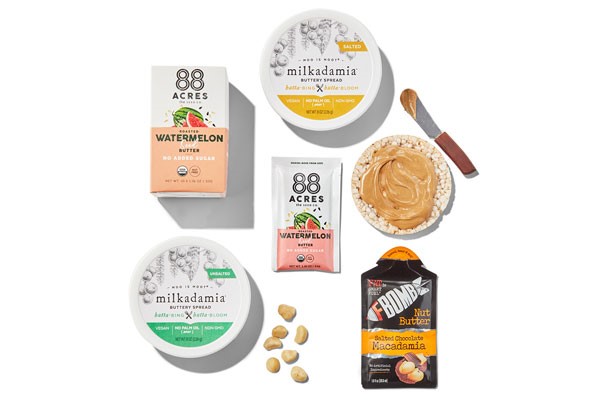
- Everything Butters and Spreads
Has (insert nut, seed, snack) been made into a butter yet? It’s likely to happen in 2020. Think seed butters beyond tahini – like watermelon seed butter – and seasonal products like pumpkin butter year-round. Nut butters beyond cashew, almond, and peanut (hello, macadamia) and even chickpea butters (no, it’s not a new name for hummus). Look for creamy vegan spreads perfect for toast, crackers, bagels and celery sticks that get their full flavors from trending superfoods like pili. It helps the trend that spreads and butters are touting paleo- and keto-friendly attributes, but transparency is also a key player in this trend. Many brands are looking to either eliminate the use of palm oil or promote a Responsibly Sourced Palm Oil certification and use nuts that are grown in ways with less likelihood for environmental impact.
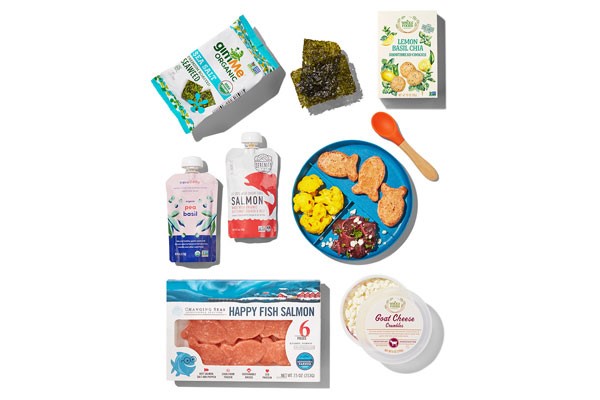
- Rethinking the Kids’ Menu
Are the days of picky eaters numbered? Judging from the number of kids’ cooking and baking competitions on TV, kids are kitchen-savvier than ever. By 2026, 80% of millennials will have children, and many parents are introducing their kids to more adventurous foods — with great results. Food brands are taking notice for the next generation – possibly our first true “foodies” – expanding the menu beyond nostalgic foods with better-for-you ingredients and organic chicken nuggets. They’re bridging the gap from old-school basic kids’ menus and taking more sophisticated younger palates into consideration. Think non-breaded salmon fish sticks. Foods that are fermented, spiced or rich in umami flavors. Colorful pastas in fun shapes made from alternative flours. Maybe it’s time adults start taking some cues from the kids’ menu.
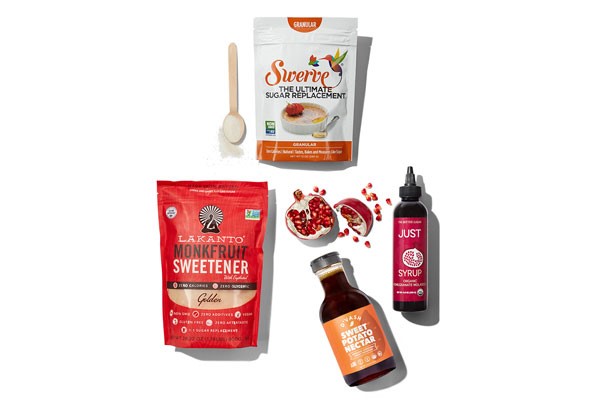
- Not-So-Simple Sugars
Sure, there’s sugar. But for those seeking sweetness outside of the usual suspects like sugar, stevia, honey and maple syrup, there’s lots more to choose from for your cooking, baking and tea- or coffee-stirring needs. Syrupy reductions from fruit sources like monk fruit, pomegranates, coconut and dates are one way to add concentrated, unique flavors into recipes for desserts, meat glazes and marinades. Sweet syrups made from starches like sorghum and sweet potato can be compared to the deep flavors of molasses or honey, and can be used for baking and sweetening beverages. Swerve, a cup-for-cup zero-calorie non-glycemic replacement for sugar, combines erythritol with ingredients from fruit and starchy root vegetables to produce a sweetener that’s available in granular, confectioners’ and brown versions.
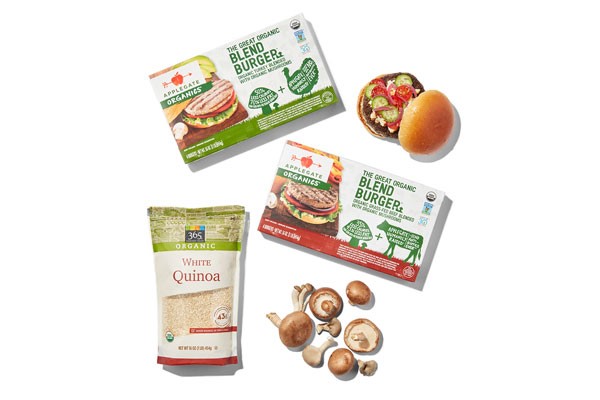
- Meat-Plant Blends
Butchers and meat brands won’t be left out of the “plant-based” craze in 2020, but they’re not going vegetarian. Chefs across the country have been on board with the trend for years through James Beard Foundation’s The Blended Burger Project, a movement that strives to make the iconic burger “better for customers and for the planet” by blending in at least 25% fresh mushrooms. For the health-conscious at-home chef, adding plant-based ingredients to meatballs and burgers has an added bonus – it’s budget-friendly! Major brands like Applegate are seeing if meat-eating consumers will swap a traditional beef burger for one with 30% plant-based ingredients, touting benefits of less fat and cholesterol when compared to USDA data for regular ground beef (check out Applegate’s website for nutritional comparison information). And other brands are taking note, too, with products like the Lika Plus Burger made using 75% ground beef blended with 25% Lika Plus (wheat, mushroom, barley yeast and water), showing up at meat counters in Whole Foods Market’s Southwest region. Flexitarians looking to strike a tasty balance between meats and plants can expect more blended products in their future.
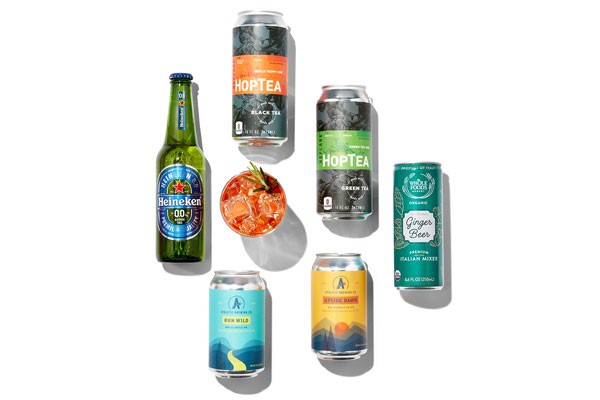
- Zero-Proof Drinks
With so many consumers seeking out alternatives to alcohol, unique non-alcoholic options are popping up everywhere, from menus at the world’s most acclaimed bars to specialty stores. Many of these beverages seek to re-create classic cocktail flavors using distilling methods typically reserved for alcohol, creating an alternative to liquor meant to be used with a mixer rather than a drink on its own. Think alt-gin for gin and tonics and botanical-infused faux spirits for a faux martini. Add to that options enjoyed straight from the bottle or can, like hops-infused sparkling waters and zero-proof apertifs, and you can be sure guests avoiding the bar cart will never get bored.
——————————————————————————————————————-
Full article: https://www.wholefoodsmarket.com/tips-and-ideas/top-food-trends