


ขับเคลื่อนสังคมสูงวัยไทย ด้วยโภชนาการเชิงป้องกันและการสร้างสรรค์นวัตกรรมอาหาร
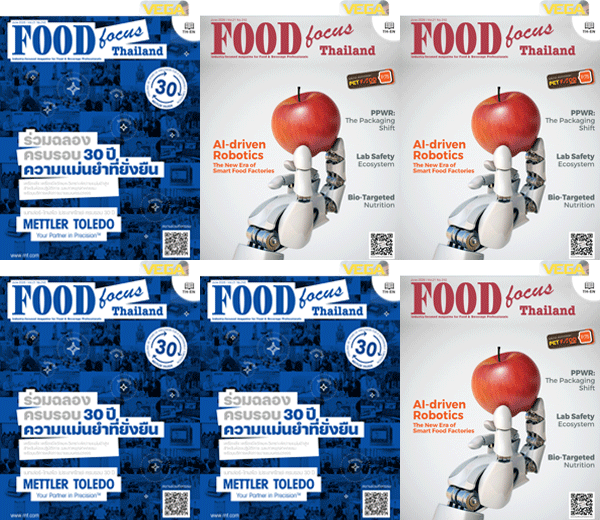

สังคมสูงวัยกำลังเปิดประตูสู่โอกาสใหม่ของอุตสาหกรรมอาหาร ตั้งแต่การพัฒนาผลิตภัณฑ์โภชนาการเฉพาะบุคคล อาหารสำหรับผู้มีปัญหาการเคี้ยวและกลืน ไปจนถึงนวัตกรรมที่ช่วยยกระดับคุณภาพชีวิตของผู้สูงอายุในระยะยาว ฉบับมิถุนายนนี้ เราได้รับเกียรติจาก รศ.ดร. ชลัท ศานติวรางคณา ผู้อำนวยการสถาบันโภชนาการ มหาวิทยาลัยมหิดล ที่มาร่วมแบ่งปันวิสัยทัศน์และแนวทางการวิจัยที่จะช่วยยกระดับคุณภาพชีวิตของผู้สูงอายุไทย
สถาบันโภชนาการ มหาวิทยาลัยมหิดล ตั้งเป้าสู่การเป็นสถาบันชั้นนำระดับนานาชาติภายในปี พ.ศ. 2573 โดยมุ่งเน้นการวิจัยแบบสหวิทยาการด้านอาหาร โภชนาการ และสุขภาพ ครอบคลุมทั้งห่วงโซ่คุณค่าอาหาร พร้อมส่งเสริมความร่วมมือกับภาคอุตสาหกรรมตั้งแต่การพัฒนาผลิตภัณฑ์จนถึงการทดสอบในมนุษย์ หนึ่งในโจทย์สำคัญ คือ การเตรียมความพร้อมด้านโภชนาการสำหรับสังคมสูงวัย ผ่านการพัฒนาอาหารที่ตอบโจทย์ความต้องการเฉพาะของผู้สูงอายุในประเทศไทย
แนวทางสำคัญของการดูแลสุขภาพผู้สูงอายุ คือการให้ความสำคัญกับ “การป้องกัน” มากกว่า “การรักษา” เนื่องจากโรคไม่ติดต่อเรื้อรัง (NCDs) ยังคงเป็นปัญหาหลักของผู้สูงอายุไทย ขณะเดียวกัน แนวคิดการสร้าง “Blue Zone” หรือพื้นที่ส่งเสริมอายุยืนในระดับชุมชน ก็ถือเป็นอีกหนึ่งโมเดลที่น่าสนใจในการสนับสนุนสุขภาพเชิงป้องกันและการมีคุณภาพชีวิตที่ดีในระยะยาว
อีกหนึ่งแนวทางสำคัญ คือการพัฒนาอาหารสำหรับผู้สูงอายุที่ไม่ได้เน้นเพียงการลด “หวาน มัน เค็ม” แต่ใช้วิทยาศาสตร์ เทคโนโลยี และนวัตกรรมเข้ามาช่วยออกแบบอาหาร ตั้งแต่การพัฒนาอาหารที่เคี้ยวและกลืนได้ง่าย การเพิ่มสุนทรียภาพและกระตุ้นความอยากอาหาร ไปจนถึงการออกแบบผลิตภัณฑ์แบบ “Complete Meal” ที่ให้สารอาหารครบถ้วนในมื้อเดียว รวมถึงแนวคิด DIY Fortification ที่ช่วยเพิ่มความยืดหยุ่นในการเสริมคุณค่าทางโภชนาการให้เหมาะกับความต้องการเฉพาะบุคคล
สามารถติดตามบทสัมภาษณ์จาก รศ.ดร. ชลัท ศานติวรางคณา ผู้อำนวยการสถาบันโภชนาการ มหาวิทยาลัยมหิดล เพิ่มเติมได้ในนิตยสาร Food Focus Thailand ฉบับมิถุนายน 2569
Thailand’s aging society is creating new opportunities for the food industry, ranging from personalized nutrition products and foods designed for individuals with chewing and swallowing difficulties to innovations aimed at improving long-term quality of life for older adults. In this June issue, we are honored to feature insights from Assoc. Prof. Chalat Santivarangkna, Ph.D., Director of the Institute of Nutrition, Mahidol University, who shares his vision and research approaches for enhancing the quality of life of Thailand’s elderly population.
The Institute of Nutrition, Mahidol University, aims to become a leading international institute by 2030, focusing on interdisciplinary research in food, nutrition, and health across the entire food value chain, while promoting collaboration with industry from product development to human trials. One of the institute’s key priorities is preparing nutritional solutions for an aging society through the development of food products tailored to the specific needs of older adults in Thailand.
A key approach to elderly healthcare is placing greater emphasis on “prevention” rather than “treatment,” as non-communicable diseases (NCDs) remain a major concern among Thailand’s aging population. At the same time, the concept of “Blue Zones,” or longevity-promoting communities, has emerged as an interesting model for supporting preventive healthcare and long-term well-being.
Another important direction is the development of elderly nutrition products that go beyond simply reducing sugar, fat, and sodium. Today, science, technology, and innovation are being applied to food design, from texture-modified foods that are easier to chew and swallow to products that enhance appetite and sensory enjoyment. Innovations such as “Complete Meal” products that provide balanced nutrition in a single serving, as well as DIY fortification concepts that allow flexible nutritional enhancement, are becoming increasingly important in addressing personalized nutritional needs.
You can read the full interview with Assoc. Prof. Chalat Santivarangkna, Ph.D., Director of the Institute of Nutrition, Mahidol University, in the June 2026 issue of Food Focus Thailand magazine.