


การศึกษาคุณสมบัติของแป้งสาลีในผลิตภัณฑ์เบเกอรี
Translated and Compiled By: Editorial Team Food Focus Thailand Magazine
editor@foodfocusthailand.com
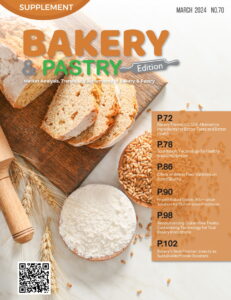

ประเภทของแป้งสาลี
• แป้งขนมปัง ผลิตจากเมล็ดข้าวสาลีชนิดแข็ง มีปริมาณโปรตีนสูงถึงร้อยละ 12–14 และมีระดับกลูเตนที่สูงเช่นกัน เมื่อนำมาผลิตขนมจะให้เนื้อสัมผัสที่เหนียว โดยแป้งชนิดนี้มีความสามารถในการดูดซับน้ำได้ดี เนื้อแป้งมีลักษณะหยาบและมีสีครีม
• แป้งอเนกประสงค์ เป็นแป้งที่ผลิตจากเมล็ดข้าวสาลีชนิดแข็งและอ่อนผสมกัน จึงทำให้มีปริมาณโปรตีนในระดับปานกลางที่ร้อยละ 10–11 และมีเนื้อสัมผัสที่ละเอียดกว่าเมื่อเทียบกับแป้งขนมปัง รวมถึงมีความหนืดปานกลางเช่นกัน
• แป้งเค้ก มีปริมาณโปรตีนต่ำ ซึ่งอยู่ที่ระหว่างร้อยละ 7–8 โดยแป้งเค้กผลิตจากเมล็ดข้าวสาลีชนิดอ่อน จึงเหมาะสำหรับนำมาทำซาลาเปา เค้กสปันจ์ ขนมอบเนื้อนุ่ม และเอแคลร์
เครื่องมือที่ใช้ในการวัดเนื้อสัมผัสในผลิตภัณฑ์เบเกอรี
• เครื่องฟาริโนกราฟ เป็นเครื่องผสมพิเศษที่ใช้วัดและบันทึกปฏิกิริยาของแป้งขณะผสม
• เครื่องเอ็กซ์เทนโซกราฟ เป็นเครื่องมือสำหรับวัดคุณภาพและพฤติกรรมการยืดของแป้ง
• เครื่องโชแปงอัลวีโอกราฟ เป็นเครื่องมือที่ช่วยประเมินว่าแป้งทำงานได้ดีเพียงใดเมื่อนำไปอบให้เป็นผลิตภัณฑ์ต่างๆ
สำรวจคุณสมบัติในการอบที่แตกต่างกันของแป้งสาลีและแป้งปราศจากกลูเตน
• วัตถุดิบ: แป้งสาลีทำจากเมล็ดข้าวสาลี ในขณะที่แป้งปราศจากกลูเตนจะทำจากธัญพืช แป้ง และถั่วชนิดต่างๆ
• โดวจ์: การขึ้นโดวจ์จากแป้งสาลีจำเป็นต้องมีการนวดร่วมด้วย ในขณะที่แป้งปราศจากกลูเตนมักไม่จำเป็นต้องนวด นอกจากนี้ แป้งสาลียังมีความเหนียวมากกว่าแป้งที่ปราศจากกลูเตนอีกด้วย
• ความหนืด: แป้งสาลีมีความยืดหยุ่นและความทนทานต่อการเสียรูปมากกว่า
• การยืดขยายตัว: แป้งสาลีมีความต้านทานต่อการยืดขยายได้สูงกว่า ซึ่งหมายความว่าแป้งสาลีสามารถยืดตัวได้มากกว่าและทนทานต่อการฉีกขาดได้ดีกว่าเช่นกัน
• ระยะเวลาในการทำปฏิกิริยา: แป้งสาลีจะใช้เวลาในขั้นตอนที่แป้งกำลังทำปฏิกิริยาน้อยกว่า ซึ่งหมายความว่าแป้งสาลีสามารถเกาะตัวกันจนเกิดความเนียน นุ่ม และเหนียวหนืดได้เร็วกว่า
• ขนมปัง: ขนมปังที่ทำจากแป้งสาลีมักจะมีปริมาตรมากกว่า เปลือกนอกมีสีเข้มและแข็งกว่า แต่เนื้อในจะนุ่มและหนุบหนับมากกว่าเมื่อเทียบกับขนมปังที่ปราศจากกลูเตน
Types of wheat flour
• Bread flour made of hard wheat boasts a robust protein content of 12–14% and elevated gluten levels, resulting in a sturdy texture. This flour excels at absorbing water, yielding dough with a coarse texture and a creamy hue.
• All-purpose flour is crafted from a blend of hard and soft wheat, resulting in a moderate protein content of 10–11%. It has a finer texture compared to bread flour and a moderate level of stickiness.
• Cake flour has a low protein content, ranging from 7–8%. It is made from soft wheat and is ideal for crafting steamed buns, sponge cakes, fluffy pastries, and eclairs.
The Instruments designed for assessing the texture of bakery products
• The farinograph is like a special mixer that measures and records how the dough reacts when it’s mixed.
• The extensograph serves as a tool for measuring flour quality and dough stretching behavior.
• The Chopin alveograph is a tool that helps evaluate how well flours work in various baked goods.
Exploring the different baking properties of wheat flours and gluten-free flours
• Raw materials: Wheat flours are made from wheat grains, while gluten-free flours are made from a variety of other grains, starches, and nuts.
• Dough: Wheat flour doughs require kneading, while gluten-free flour doughs typically do not. Wheat flour doughs are also stickier than gluten-free flour doughs.
• Rheometry: Wheat flour doughs are more elastic and resistant to deformation.
• Extensibility: Wheat flour doughs have higher extensibility resistance. This means that wheat flour doughs can stretch more and are more tearing-resistant.
• Development time: Wheat flour doughs have a lower development time. This means that wheat flour doughs develop more quickly.
• Bread: Breads made with wheat flour typically exhibit higher volume, a darker crust color, and a crustier crumb compared to gluten-free breads.