


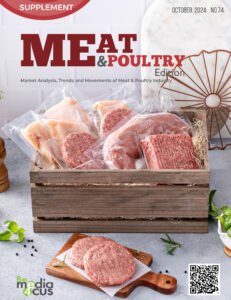

บรรจุภัณฑ์มีบทบาทสำคัญอย่างยิ่งในอุตสาหกรรมอาหารยุคใหม่ โดยเฉพาะสำหรับผลิตภัณฑ์ที่เน่าเสียได้ง่าย
อย่างเนื้อสัตว์และสัตว์ปีก โดยการเลือกใช้บรรจุภัณฑ์อย่างเหมาะสมนั้นสามารถช่วยรักษาความสดใหม่ของอาหารและจัดส่งถึงมือผู้บริโภคได้อย่างมีประสิทธิภาพ ซึ่งสอดคล้องกับแนวคิดด้านความมั่นคงทางอาหาร นอกจากนี้ ความปลอดภัยของอาหารยังเชื่อมโยงโดยตรงกับความสามารถของบรรจุภัณฑ์สำหรับการป้องกันการปนเปื้อนและรักษาคุณภาพอาหาร เพื่อให้สามารถบริโภคได้อย่างปลอดภัย แม้ว่าเทคโนโลยีบรรจุภัณฑ์ในปัจจุบันจะมีการพัฒนาอย่างต่อเนื่อง แต่วัสดุบรรจุภัณฑ์บางชนิดอาจสร้างปัญหาต่อสิ่งแวดล้อมอย่างรุนแรงได้เช่นกัน
เทคโนโลยีบรรจุภัณฑ์เบื้องต้นสู่การพัฒนาที่ล้ำหน้า
การเลือกใช้วัสดุบรรจุภัณฑ์ให้เหมาะสมเป็นขั้นตอนสำคัญในการรักษาคุณภาพของเนื้อสัตว์และสัตว์ปีก โดยวัสดุบรรจุภัณฑ์สังเคราะห์ในรูปแบบของฟิล์มพลาสติก ถาด และฟอยล์นั้นได้รับความนิยมอย่างแพร่หลาย เนื่องจากมีคุณสมบัติที่หลากหลายทั้งในด้านความยืดหยุ่น ความแข็งแรง ถูกสุขลักษณะ ป้องกันการรั่วซึมได้ดี สามารถรองรับอุณหภูมิได้ในช่วงกว้าง และมีต้นทุนไม่แพงมากนัก โดยทั่วไป พลาสติกสังเคราะห์ที่ใช้เป็นบรรจุภัณฑ์สำหรับเนื้อสัตว์และสัตว์ปีก ได้แก่ โพลีเอทิลีน (PE) โพลีโพรพีลีน (PP) โพลีสไตรีน (PS) โพลีเอทิลีนเทเรฟทาเลต (PET) และโพลีเอไมด์ (PA) ทั้งนี้ ควรพิจารณาเลือกใช้วัสดุและระบบบรรจุภัณฑ์ที่เข้ากันได้ เพื่อให้มั่นใจถึงประสิทธิภาพสูงสุด
สิ่งสำคัญสำหรับอุตสาหกรรมบรรจุภัณฑ์ คือ การสร้างความสมดุลระหว่างความมั่นคงทางอาหาร คุณภาพ และความยั่งยืน แม้ว่าการผลักดันให้เกิดการแก้ปัญหาจะมีความจำเป็น แต่ยังคงต้องคำนึงถึงความปลอดภัยและคุณภาพของผลิตภัณฑ์อาหารด้วย การจะบรรลุเป้าหมายนั้นต้องอาศัยการพัฒนานวัตกรรมอย่างต่อเนื่องและต้องค้นหาวิธีที่สามารถตอบสนองต่อความต้องการทั้งสามด้านไปพร้อมกัน นั่นคือ ความมั่นคง คุณภาพ และความยั่งยืน โดยบรรจุภัณฑ์เนื้อสัตว์และสัตว์ปีกในอนาคตขึ้นอยู่กับแนวทางการผสมผสานของปัจจัยต่างๆ เข้าด้วยกันอย่างเหมาะสมเพื่อให้มั่นใจได้ถึงความปลอดภัย คุณภาพสูง และเป็นมิตรกับสิ่งแวดล้อม
By: Wanwarang Limsukon, Ph.D.
Department of Food Science and Technology Faculty of Science and Technology
Rajamangala University of Technology Tawan-ok
wanwarang_li@rmutto.ac.th
Packaging plays a pivotal role in the modern food industry, especially for perishable products like meat and poultry. Regarding food security, which encompasses the availability and accessibility of food, the packaging ensures that products remain fresh and are efficiently delivered to consumers. On the other hand, food safety is directly linked to packaging’s ability to protect food from contamination, maintain its quality, and ensure it is safe for consumption. While advancements in food packaging technology have undoubtedly improved, it is crucial to acknowledge that the use of certain packaging materials has also led to severe environmental problems.
Basic and Advancements in Packaging Technology
A critical first step in meat packaging is carefully selecting appropriate materials to maintain product quality. Synthetic materials, particularly in the form of plastic films, trays, and foils, are widely used due to their versatile properties, such as flexibility, mechanical strength, hygiene, resistance to permeating substances, the ability to withstand a wide range of temperatures, and low cost. The most commonly used synthetic plastics for meat and poultry packaging include polyethylene (PE), polypropylene (PP), polystyrene (PS), polyethylene terephthalate (PET), and polyamide (PA). However, it is essential to select the appropriate materials and ensure they are combined with successful packaging systems.
The need to balance food security, quality, and sustainability is critical in the packaging industry. While the push for more sustainable solutions is crucial, it must be balanced with the need to ensure the safety and quality of food products. Achieving this balance requires ongoing innovation and a commitment to finding solutions that meet the demands of all three areas: security, quality, and sustainability. The future of meat and poultry packaging lies in finding the optimal combination of these factors to ensure a safe, high-quality, and environmentally responsible food supply.