

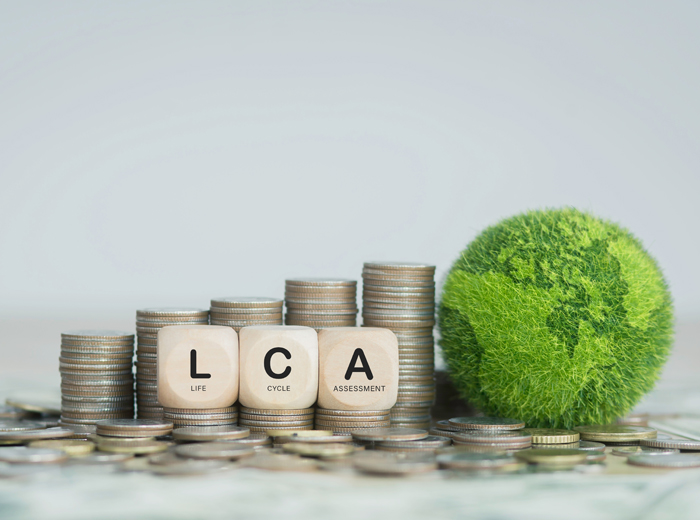
Life Cycle Assessment (LCA): เปลี่ยนต้นทุนแฝงสู่โอกาสในการสร้างผลกำไรและความยั่งยืน


ปัจจุบันอุตสาหกรรมอาหารและเครื่องดื่มต้องเผชิญกับต้นทุนวัตถุดิบและพลังงานที่สูงขึ้น ความผันผวนของห่วงโซ่อุปทาน และข้อกำหนดด้านความยั่งยืนที่เข้มข้นขึ้น ขณะเดียวกัน “ต้นทุนแฝง” อย่าง Food Loss และ Food Waste ยังคงเป็นความสูญเสียที่หลายองค์กรอาจมองข้าม ทั้งที่อาหารทุกกิโลกรัมที่สูญเสียไปไม่ได้หมายถึงเพียงวัตถุดิบที่หายไป แต่ยังรวมถึงต้นทุนน้ำ พลังงาน แรงงาน และกำไรที่สูญเสียไปด้วย ดังนั้น การลดการสูญเสียอาหารจึงไม่ใช่เพียงประเด็นด้านสิ่งแวดล้อม แต่เป็นกลยุทธ์สำคัญในการลดต้นทุน เพิ่มประสิทธิภาพ และยกระดับความสามารถในการแข่งขัน
แม้ Food Loss และ Food Waste จะสะท้อนการสูญเสียอาหารเช่นเดียวกัน แต่เกิดขึ้นต่างช่วงของห่วงโซ่อุปทาน โดย Food Loss เกิดขึ้นในขั้นตอนการผลิต การแปรรูป การจัดเก็บ และการขนส่งจากข้อจำกัดของกระบวนการ ขณะที่ Food Waste คือการทิ้งอาหารที่ยังใช้ประโยชน์ได้ในช่วงปลายห่วงโซ่อุปทาน เช่น การผลิตเกินความต้องการ สินค้าไม่เป็นไปตามข้อกำหนด หรือสินค้าหมดอายุ
เครื่องมือสำคัญที่ช่วยให้ผู้ประกอบการมองเห็นโอกาสในการลดความสูญเสียคือ Life Cycle Assessment (LCA) ซึ่งเป็นการประเมินผลกระทบด้านสิ่งแวดล้อมตลอดวงจรชีวิตของผลิตภัณฑ์ตามมาตรฐาน ISO 14040 โดยช่วยเปิดเผยต้นทุนแฝง ระบุจุดที่ควรปรับปรุง และสนับสนุนการจัดทำข้อมูลด้าน ESG รวมถึงการลดการปล่อยก๊าซเรือนกระจกตามเป้าหมาย Net Zero อีกหนึ่งแนวทางที่ได้รับการยอมรับในระดับสากล คือ Food and Drink Material Hierarchy ซึ่งจัดลำดับการจัดการของเสียจากแนวทางที่สร้างคุณค่าสูงสุด ได้แก่ การป้องกันการเกิดของเสีย (Prevention) การใช้ทรัพยากรให้เกิดประโยชน์สูงสุด (Optimisation) การรีไซเคิล (Recycling) การนำพลังงานกลับคืน (Recovery) และการกำจัด (Disposal) ซึ่งควรเป็นทางเลือกสุดท้าย
ในวันที่อุตสาหกรรมอาหารต้องแข่งขันภายใต้ต้นทุนที่สูงขึ้นและข้อกำหนดด้านความยั่งยืนที่เข้มข้นกว่าเดิม องค์กรที่สามารถบริหารจัดการ Food Loss และ Food Waste ได้อย่างเป็นระบบ ย่อมได้เปรียบทั้งด้านต้นทุน ประสิทธิภาพการผลิต และภาพลักษณ์องค์กร เพราะท้ายที่สุดแล้ว “ของเสียที่ดีที่สุด คือ ของเสียที่ไม่เกิดขึ้น” และทรัพยากรทุกส่วนควรถูกนำกลับมาสร้างคุณค่าให้ได้มากที่สุด เพื่อขับเคลื่อนการเติบโตอย่างยั่งยืนของอุตสาหกรรมอาหารในอนาคต
By:
Santipan Chiablam
Department of Environmental Health
School of Public Health
University of Phayao
santipan.up@gmail.com
By:
Kunakorn Katsri, Ph.D.
Major of Food Science and Technology
School of Agriculture and Natural Resources
University of Phayao
kunakorn.ka@up.ac.th
Today, the food and beverage industry faces increasing pressure from rising raw material and energy costs, supply chain disruptions, and more stringent sustainability requirements. At the same time, Food Loss and Food Waste remain significant hidden costs that many organizations continue to overlook. Every kilogram of food lost represents not only wasted raw materials, but also wasted water, energy, labor, and profit. Therefore, reducing food loss and food waste is no longer solely an environmental initiative; it has become a strategic business approach to lowering costs, improving operational efficiency, and strengthening long-term competitiveness.
Although Food Loss and Food Waste both refer to the loss of food, they occur at different stages of the supply chain. Food Loss takes place during production, processing, storage, and transportation as a result of technical limitations or process inefficiencies. Food Waste, by contrast, refers to food that remains suitable for use but is discarded at the final stages of the supply chain, such as through overproduction, products failing to meet specifications, or inventory reaching its expiration date.
One of the most effective tools for identifying opportunities to reduce these losses is Life Cycle Assessment (LCA). Based on the ISO 14040 framework, LCA evaluates the environmental impacts of a product throughout its entire life cycle. It enables food manufacturers to identify hidden costs, prioritize process improvements, and generate data to support Environmental, Social, and Governance (ESG) reporting as well as Net Zero strategies. Another internationally recognized approach is the Food and Drink Material Hierarchy, which prioritizes waste management according to the value retained from resources. The hierarchy consists of five levels: Prevention, Optimisation, Recycling, Recovery, and Disposal, with prevention representing the most effective strategy and disposal the least preferred option.
As food manufacturers face rising production costs and increasingly demanding sustainability expectations, organizations that systematically manage Food Loss and Food Waste will gain advantages in cost efficiency, operational performance, and corporate reputation. Ultimately, the best waste is the waste that never occurs, and every remaining resource should be utilized to create the greatest possible value, forming the foundation of sustainable growth in the modern food industry.