

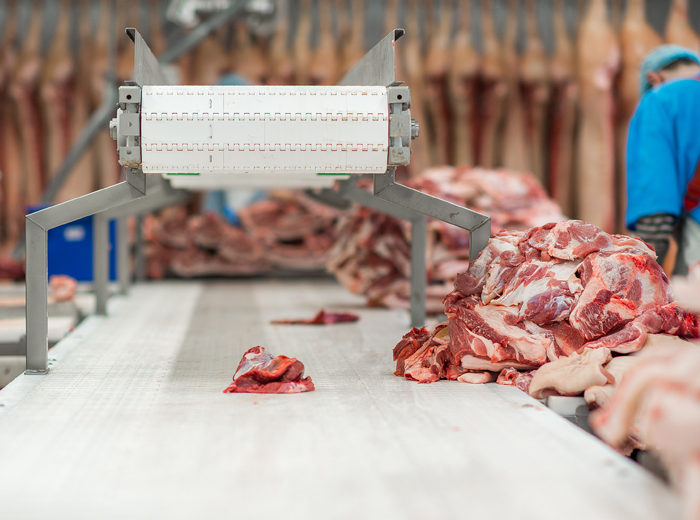
เทคโนโลยีตัดแต่งเนื้อสัตว์อัจฉริยะ: ยกระดับประสิทธิภาพและความแม่นยำในทุกมิติ


การตัดแต่งเนื้อสัตว์อย่างแม่นยำไม่ได้ขึ้นอยู่เพียงทักษะแรงงานหรือเครื่องจักรภายในโรงงานเท่านั้น แต่ยังเชื่อมโยงกับการบริหารจัดการตลอดห่วงโซ่การผลิต ตั้งแต่การคัดเลือกสัตว์ ปรับปรุงสายพันธุ์ และออกแบบวัตถุดิบให้สอดคล้องกับความต้องการของตลาด
แม้ระบบการตัดแต่งด้วยแรงงานมนุษย์จะมีความยืดหยุ่นและใช้เงินลงทุนไม่สูง แต่ยังมีข้อจำกัดด้านความสม่ำเสมอ การสูญเสียเนื้อ และความปลอดภัยในการทำงาน ขณะที่ระบบอัตโนมัติช่วยเพิ่มความเร็ว ลดการพึ่งพาแรงงาน และยกระดับมาตรฐานการผลิต อย่างไรก็ตาม ไม่มีเทคโนโลยีใดที่สามารถแก้ปัญหาได้ทั้งหมด ดังนั้น การเลือกใช้เทคโนโลยีจึงต้องเหมาะสมกับลักษณะวัตถุดิบและเป้าหมายทางธุรกิจ
อีกปัจจัยสำคัญคือ การควบคุมอุณหภูมิของเนื้อ อุปกรณ์ และสภาพแวดล้อม เนื่องจากส่งผลต่อความแน่น ความยืดหยุ่น และความสามารถในการคงรูปของเนื้อ ซึ่งมีผลโดยตรงต่อความแม่นยำในการตัดแต่งและปริมาณการสูญเสีย
ปัจจุบันอุตสาหกรรมเนื้อสัตว์นำเทคโนโลยีขั้นสูง เช่น Water Jet, Ultrasonic Cutting, Machine Vision และ AI มาใช้เพื่อวิเคราะห์รูปทรงเนื้อและกำหนดตำแหน่งการตัดแบบอัตโนมัติ ซึ่งช่วยเพิ่มความแม่นยำ ลดการปนเปื้อน และเพิ่มผลผลิตเนื้อ (Yield)
อย่างไรก็ตาม ความสำเร็จของอุตสาหกรรมยุคใหม่ไม่ได้ขึ้นอยู่กับเทคโนโลยีเพียงอย่างเดียว แต่เกิดจากการเชื่อมโยงข้อมูลตลอดทั้งห่วงโซ่อุปทาน ตั้งแต่ต้นน้ำถึงปลายน้ำ ผสานการใช้ AI เพื่อวิเคราะห์ข้อมูลเชิงลึก การพัฒนาวัตถุดิบให้มีคุณภาพสม่ำเสมอ ตลอดจนการติดตามและควบคุมประสิทธิภาพการผลิตผ่าน IoT และเซนเซอร์แบบเรียลไทม์ ซึ่งช่วยลดความแปรปรวน เพิ่มประสิทธิภาพการดำเนินงาน และสร้างความได้เปรียบทางการแข่งขันอย่างยั่งยืน
By:
Phontakorn Wongcharoen, Ph.D.
Betagro Country Head Indonesia
International Business
Betagro Group
phontakornw@betagro.com
Precision meat fabrication depends not only on skilled labor or advanced machinery but also on effective management across the entire supply chain, from animal selection and breed improvement to raw material design aligned with market requirements.
While manual fabrication offers flexibility and lower investment costs, it is often limited by inconsistent quality, higher meat loss, and workplace safety concerns. Automated systems help reduce labor dependency, increase processing speed, and improve production consistency. However, no single technology can solve every challenge, making it essential to select solutions that match raw material characteristics and business objectives.
Another critical factor is temperature control of meat, equipment, and the processing environment. Temperature directly influences meat firmness, elasticity, and shape retention, affecting cutting precision, yield, and overall product quality.
Today, the meat industry is adopting advanced technologies such as water jet cutting, ultrasonic cutting, machine vision, and artificial intelligence (AI) to automate cutting decisions, improve precision, reduce contamination risks, and increase yield. However, technology alone is not enough. Sustainable improvements require integrated data management from upstream to downstream operations.
The combination of AI-driven analytics, consistent raw material development, and real-time monitoring through IoT sensors and dashboards helps reduce variability, improve operational efficiency, and enhance product quality. Ultimately, precision meat fabrication is evolving beyond a production process into a data-driven system that connects the entire supply chain, creating long-term competitiveness through optimized yield, reduced waste, and more consistent performance.