


นวัตกรรมการออกแบบเนื้อสัมผัสกับการสร้างมูลค่าใหม่ในผลิตภัณฑ์เบเกอรี
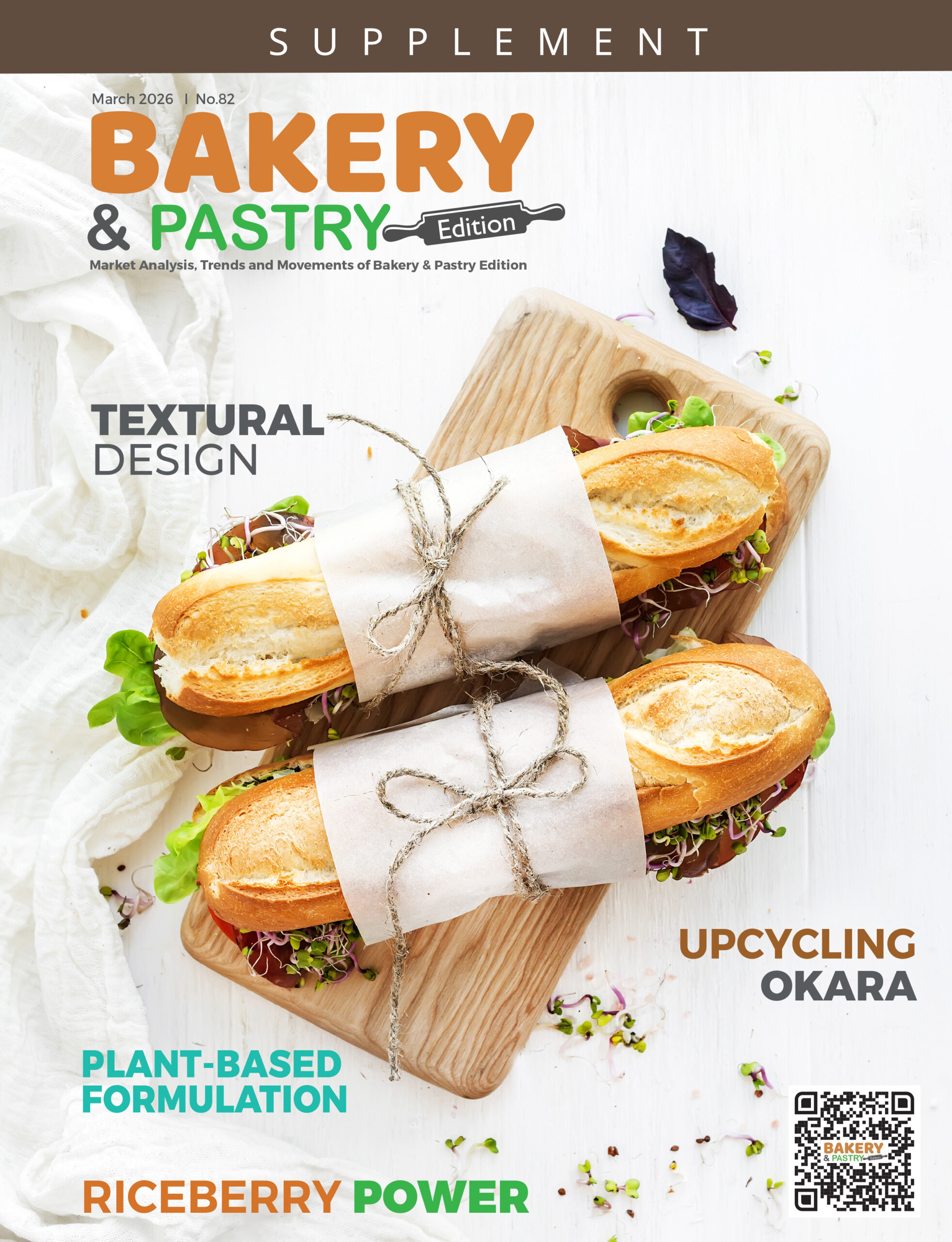

ปี 2569 “นวัตกรรมด้านเนื้อสัมผัส” ถูกคาดการณ์ว่าจะเป็นหนึ่งในเมกะเทรนด์ของอุตสาหกรรมเบเกอรี โดยไม่จำกัดเพียงความนุ่มหรือความชุ่มฉ่ำ แต่ขยายสู่การออกแบบประสบการณ์ในปาก (mouthfeel design) ที่สร้างมิติหลากหลายในผลิตภัณฑ์เดียว ผู้บริโภคต้องการความตื่นเต้นมากกว่ารสชาติ ส่งผลให้เกิดการผสานเนื้อสัมผัสที่ตัดกัน เช่น กรอบ-ครีมมี, หนึบ-กรอบ และฟัดจี้-ผิวแตกกรุบ
แนวทางสำคัญประกอบด้วย 1) ขนมอบหลายชั้น (multi-layered bake) ที่ใช้การจัดเรียงชั้นเค้ก ฟรอสติ้ง และไส้ เพื่อสร้างความซับซ้อนด้านรสชาติและโครงสร้างโดยไม่ต้องเพิ่มความซับซ้อนของสูตร 2) ขนมลูกผสม (hybrid format bakery) ที่พัฒนาจากการผสมรูปแบบ สู่การเน้นความแตกต่างของเนื้อสัมผัสเป็นจุดขายหลัก 3) บรรจุภัณฑ์คงความสดใหม่ เช่น anti-staling coating และ Modified Atmosphere Packaging (MAP) เพื่อชะลอการแข็งตัวและควบคุมการเคลื่อนย้ายความชื้น และ 4) เทคโนโลยีแช่แข็งและการจัดการความชื้น ซึ่งช่วยรักษาคุณภาพ ความกรอบ และความชุ่มชื้นของผลิตภัณฑ์หลายชั้น
การออกแบบเนื้อสัมผัสจึงไม่ใช่เพียงเรื่องของประสาทสัมผัส แต่เป็นกลยุทธ์เชิงเทคโนโลยีและการตลาดที่ช่วยยกระดับสู่ตลาดพรีเมียมและสร้างความแตกต่างอย่างยั่งยืน
Rawiporn Polpued
Department of Food Science and Technology
Faculty of Science and Technology
Thammasat University
rawiporn.bkk@gmail.com
In 2026, textural innovation is expected to become a defining trend in the bakery industry. The focus extends beyond softness or moistness toward deliberate mouthfeel design, delivering multidimensional sensory experiences within a single product. Consumers increasingly seek contrast, such as crunchy-creamy, chewy-crispy, or fudgy-crackly combinations, particularly in sweet and bakery applications.
Key approaches include: (1) multi-layered bakes that structure cake layers, frostings, and fillings to create complexity without overcomplicating formulations; (2) hybrid bakery formats evolving from shape-based novelty to texture-driven differentiation; (3) freshness-preserving packaging such as anti-staling coatings and Modified Atmosphere Packaging (MAP) to control moisture migration and delay staling; and (4) freezing and moisture-management technologies that ensure consistent texture, crispness, and structural recovery after thawing.
Texture design has therefore become both a technological discipline and a strategic marketing lever, enabling premium positioning and sustainable product differentiation.