


ความเป็นไปได้ของผลิตภัณฑ์เนื้อสัตว์แปรรูปเพื่อสุขภาพ
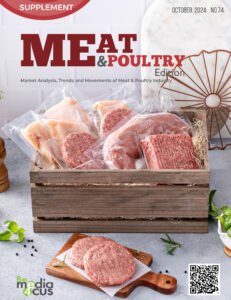

ผลิตภัณฑ์เนื้อสัตว์แปรรูปเป็นหนึ่งในอาหารหลักสำหรับผู้บริโภคทั่วโลก ไม่ว่าจะเป็นไส้กรอก แฮม เบคอน ลูกชิ้น แฮมเบอร์เกอร์ และนักเก็ต โดยผลิตภัณฑ์เหล่านี้จำเป็นต้องอาศัยกระบวนการผลิตที่มีประสิทธิภาพและการเติมส่วนผสมในสัดส่วนที่พอเหมาะเพื่อให้ได้ผลิตภัณฑ์ที่มีคุณภาพดี อย่างไรก็ตาม เนื้อสัตว์แปรรูปมักถูกมองว่าประกอบด้วยส่วนผสมที่อาจจะส่งผลเสียต่อร่างกายของมนุษย์ ด้วยเหตุนี้ จึงทำให้เกิด
การสร้างสรรค์ผลิตภัณฑ์ด้วยการปรับลด ทดแทน หรือตัดส่วนผสมบางชนิดออก โดยเฉพาะการปรับเปลี่ยนองค์ประกอบสำคัญอย่างเกลือ ไขมัน สารไนไตรต์และไนเตรต รวมทั้งสารปรุงแต่งกลิ่นรส เพื่อพัฒนาเป็นผลิตภัณฑ์เนื้อสัตว์ทางเลือกใหม่ที่ดีต่อสุขภาพ
1. ทางเลือกใหม่ของไขมัน
ปัจจุบัน มีการประยุกต์ใช้เทคนิคโอลีโอเจล (oleogel) เพื่อเลียนแบบไขมันอิ่มตัวในเนื้อสัตว์แปรรูป เช่น แพตตี้ ไส้กรอก และนักเก็ต ซึ่งเทคนิคนี้เป็นการดัดแปลงโครงสร้างของน้ำมันให้อยู่ในสถานะกึ่งของแข็ง โดยใช้วิธีการเกิดเจล การขึ้นรูป การใช้สารก่อโอลีโอเจล และการเกิดอิมัลชัน เพื่อให้ได้ลักษณะของไขมันใกล้เคียงกับไขมันสัตว์แบบปกติ
2. ปรับเปลี่ยนองค์ประกอบของเกลือ
เกลือในผลิตภัณฑ์เนื้อสัตว์มีบทบาทในการเพิ่มรสชาติ สร้างเนื้อสัมผัส ต้านจุลินทรีย์ และช่วยถนอมอาหาร โดยเทคนิคการปรับลดเกลือสามารถทำได้หลายวิธี (1) การใช้สารทดแทนเกลือโซเดียม (salt replacement) ด้วยเกลือโพแทสเซียม แมกนีเซียม และแคลเซียม (KCI, MgCI2, CaCI2 และ K-Lactate) (2) การปรับสัดส่วนของเกลือ (salt mixture) เป็นการผสมเกลือสองถึงสามชนิดเข้าด้วยกันเพื่อลดปริมาณเกลือโซเดียม (3) การใช้สารเสริมกลิ่นรส (Flavor enhancer)
3. เลี่ยงการใช้สารไนไตรต์และไนเตรต
สารทดแทนไนไตรต์จากธรรมชาติที่สามารถใช้ในผลิตภัณฑ์เนื้อสัตว์หมักจำพวกกุนเชียง แหนม และเบคอน ได้แก่ ผงจากบีทรูท ผงมะเขือเทศ และผงผัก เป็นต้น
4. เสริมความกลมกล่อมด้วยเครื่องเทศและพืชให้กลิ่นหอม
เครื่องเทศและพืชให้กลิ่นหอมเป็นอีกหนึ่งปัจจัยสำคัญที่ช่วยให้รสชาติโดยรวมของเนื้อสัตว์แปรรูปมี
ความโดดเด่นยิ่งขึ้น โดยเครื่องเทศที่นิยมใช้ ได้แก่ ผักชีฝรั่ง ผักชีลาว ใบโหระพา ออริกาโน สะระแหน่ โรสแมรี ไทม์ และมินต์
Translated and Compiled By: Rawiporn Polpued
Senior Writer | Food Focus Thailand Magazine
editor@foodfocusthailand.com
Meat products are a staple food for global consumers, including sausages, ham, bacon, meatballs, hamburgers, and nuggets. To attain superior quality, these products require efficient manufacturing and the addition of ingredients in appropriate proportions. However, processed meats are often perceived to contain components that may harm human health. Thus, it resulted in the creation of healthier meat products by lowering, replacing, or eliminating certain elements such as salt, fat, nitrites and nitrates, and seasoning.
1. New possibility of fat
Currently, oleogel techniques are employed for imitating saturated fat in sausages, nuggets, and patties. This process converts the structure of liquid oils to a semi-solid state using gelation, formation, oleogel agents, and the emulsification process, giving the appearance and function of fat similar to animal fat.
2. Adjustment of salt composition
In meat products, salt contributes to texture creation, flavor enhancement, antibacterial activity, and preservation. The technique for reducing sodium salt content can be implemented in several ways including (1) Salt replacement: using alternative salts such as potassium, magnesium, and calcium salts (KCl, MgCl₂, CaCl₂, and K-Lactate), (2) Salt mixture: mixing two or three types of salts to reduce sodium content and (3) Flavor enhancers.
3. Avoiding of nitrite and nitrate
Some natural ingredients that can substitute nitrites in cured meat products, like Chinese sausage, fermented pork, and bacon, include beet powder, tomato powder, and vegetable powders.
4. Enhance full flavor with spices and aromatic plants
Another important element that enhances the overall flavor of processed meats is the use of spices and aromatic plants. The following are common spices: mint, thyme, rosemary, sage, parsley, dill, basil, and oregano.